Dental Implants in Boston, MA
A dental implant replaces a missing tooth from the root up, giving you something that chews, looks, and feels like a natural tooth, and can last for decades.
At Lewis Wharf Dental, Dr. Rasool and our team plan implant care with a prosthodontic-trained eye, thinking about how your final tooth will look and function long before anything is placed.
That perspective changes the whole process. We don't just ask whether an implant can go in; we ask how it should be restored to work beautifully in your bite for the long haul. Every case starts with an individual look at your anatomy, using cone beam CT imaging and digital scanning, before we recommend anything.
Our practice sits on the downtown Boston waterfront at 237 Lewis Wharf. If you're weighing your options, call us at (617) 227-4831 to schedule a consultation, and expect a friendly, unhurried first conversation. New patients are always welcome to visit us.
Quick Takeaways
- We plan implants from a prosthodontic-trained perspective, so the final restoration guides every decision from day one.
- Cone beam CT imaging and digital scanning let us map your bone and bite before recommending anything.
- Candidacy is judged case by case; bone density, gum health, and your goals all factor in.
- Ask your provider about the full timeline, whether bone grafting applies to you, and who handles each stage of care.
- You'll get an itemized treatment plan with costs spelled out before you commit.
How the Implant Process Works Here
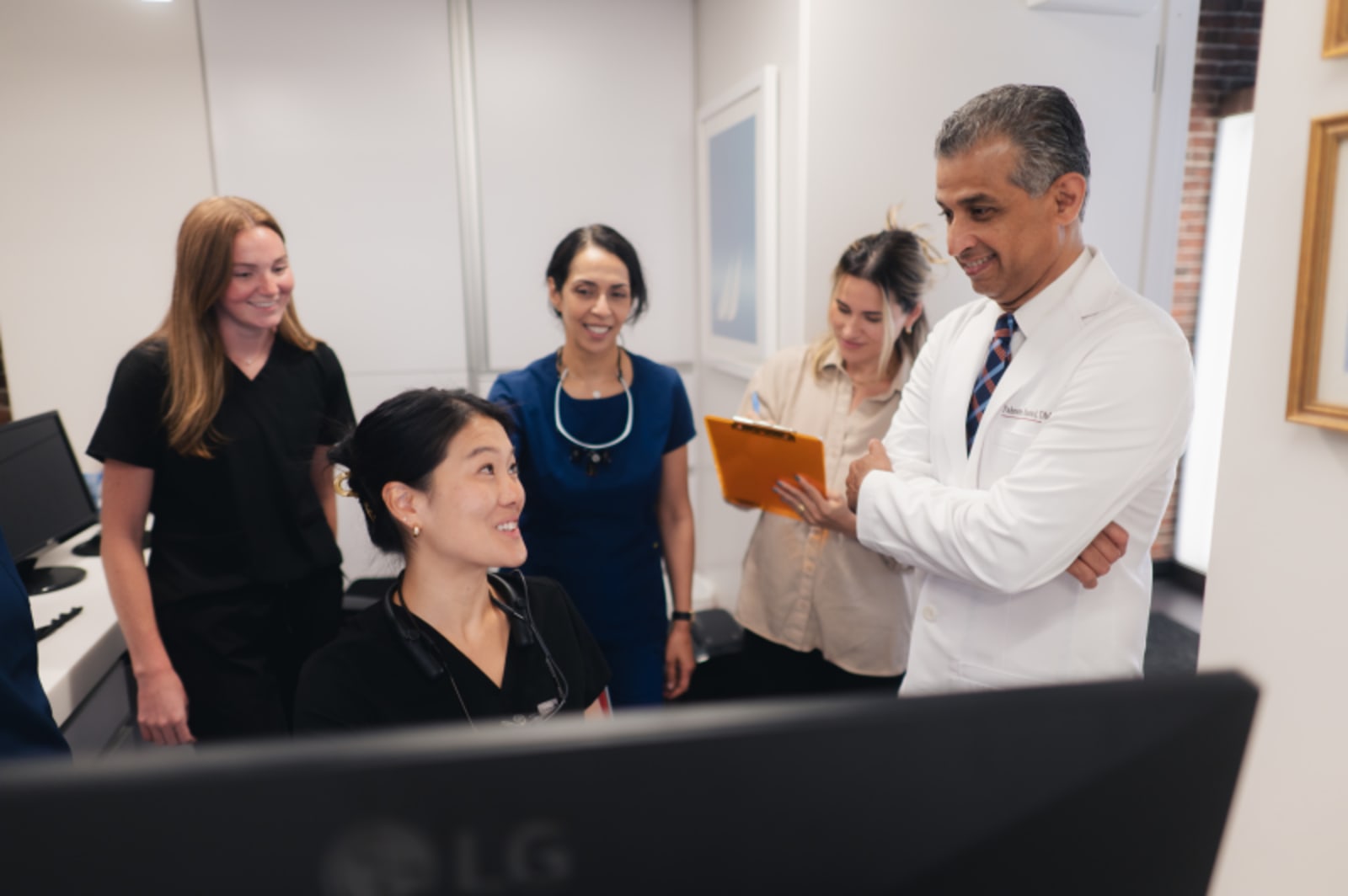
We keep the process in clear stages so you always know what's coming and why.
- Evaluation. We review your dental and medical history, examine your bone and bite, and take detailed 3D imaging. That picture shapes a plan built specifically for you, with realistic timeframes discussed openly.
- Placement. The implant, a small titanium post that serves as the new tooth's root, is placed into the jawbone with close attention to your comfort throughout. Most people are surprised by how manageable it is.
- Healing. Over the next several months, your bone grows around and bonds to the implant, a process called osseointegration. We stay in touch with you through it.
- Restoration. Once healing is confirmed, we attach the abutment (the connector), take precise measurements, and fit your custom crown so it looks and works like a natural tooth.
Timelines vary, but most people find the whole thing far less disruptive to daily life than expected.
What Dental Implants Can Do for You
Implants stand apart because they replace the root, not just the visible crown. That single difference drives most of the benefits:
- Chew normally again. A well-placed implant handles everyday eating without the shifting of a removable appliance.
- A tooth that looks like yours. Designed with your bite and neighboring teeth in mind, the restoration blends in.
- Protects your jawbone. The implant stimulates the bone the way a natural root does, helping limit the bone loss that follows a missing tooth.
- Leaves neighboring teeth alone. Unlike a traditional bridge, an implant doesn't require grinding down healthy teeth on either side.
- Built to last. With good care, implants can serve for decades.
Are You a Good Candidate for Dental Implants?
Candidacy isn't a simple yes-or-no checklist. It's a clinical picture built from several data points:
- Bone volume and density at the implant site
- The health and stability of the surrounding gum tissue
- Your bite and how the opposing teeth will meet a restored implant
- Systemic health factors that affect healing and long-term success
We assess each of these through imaging and a thorough exam. Being told elsewhere that you "don't have enough bone" doesn't always mean the door is closed. Bone grafting can rebuild a stable base for the right candidate, and other preparatory steps can change the outlook entirely.
What we're after is an honest read on where you're starting from. Some people move forward quickly; others do a little preparatory work first. Either way, you'll leave knowing exactly what applies to your situation. If implants aren't the best fit, we'll talk candidly about alternatives like bridges or dentures.
How We Evaluate Your Case Before Recommending Treatment
Cone beam CT imaging gives us a three-dimensional view of your bone, so we can judge density, volume, and anatomy with precision standard imaging can't match. Digital intraoral scanning captures the exact contours of your teeth and gums without old-fashioned impressions. Together, they give us an accurate foundation to plan from.
What sets the evaluation apart is the thinking behind it. Prosthodontic training means the clinician pictures the final restoration from the first appointment, because where an implant is placed and how it's ultimately restored are deeply connected.
Spacing, bite alignment, the health of nearby teeth, and long-term aesthetics all feed into the plan before treatment starts. By the end, you'll understand what we found, why it matters, and what your options are.
Prosthodontist, General Dentist, or Oral Surgeon: Why The Background Matters
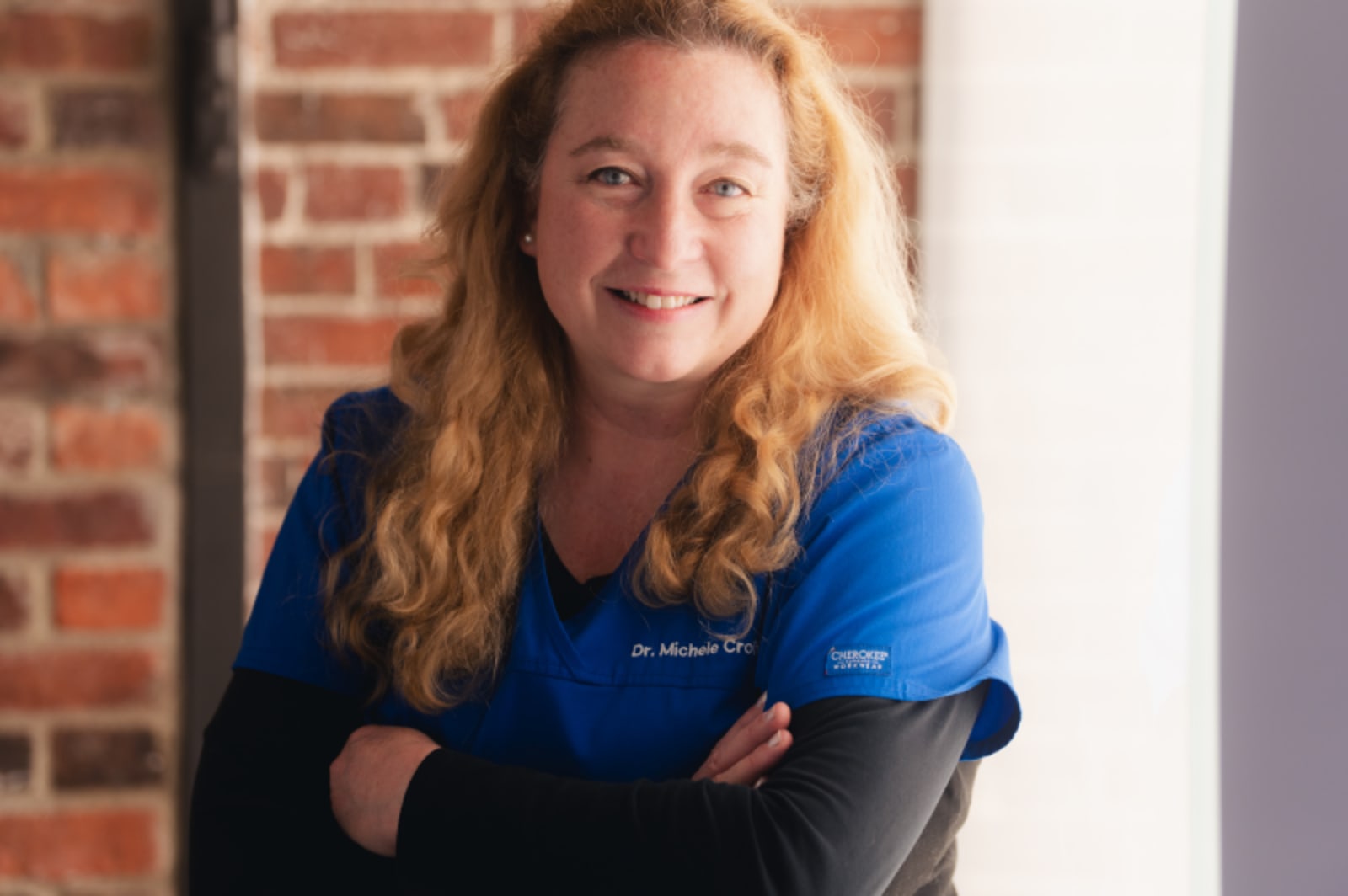
As you research implants around Boston, you'll run into three kinds of providers:
- Oral surgeons focus on the surgical side: extractions, preparing the jaw, and placing the implant fixture. Their training centers on the procedure, not the tooth that follows.
- General dentists may both place and restore implants. Many do excellent work, though depth of focus varies from one practice to the next.
- Prosthodontists specialize in restoring and replacing teeth, including complex full-mouth cases. Their training starts with the ideal functional and aesthetic result, then works backward to how the implant should be placed to support it.
When the finished tooth is considered from the start, placement, crown design, and bite are coordinated together rather than passed between providers who may never speak to each other.
With us, prosthodontic training shapes both the planning and the final restoration, both under one roof. Dr. Rasool trained as a prosthodontist at Harvard School of Dental Medicine and taught there full-time for twelve years, and our team includes periodontal and implant specialty support for the surgical side when a case calls for it.
You can learn more about our multi-specialty team to see how we approach complex implant cases.
What Dental Implants Cost in Boston, and What Affects the Price
Implant pricing isn't one-size-fits-all. What you'll invest depends on details specific to your case:
- Whether bone grafting is needed to create a stable base before placement
- The type and material of the final restoration, whether a single crown, a bridge, or an implant-supported denture
- The complexity of your anatomy and overall oral health at the time of treatment
- The level of planning and diagnostic care behind the work
A carefully planned implant placed by a well-trained clinician reduces the risk of complications, and corrections cost far more than getting it right the first time.
We don't quote numbers before we understand your case. After your diagnostic evaluation, you'll receive a detailed, itemized treatment plan with an estimate so you know exactly what's involved and why, and we answer all your questions before any treatment.
Insurance and Payment Options
Coverage for implants varies a lot from plan to plan. We accept Blue Cross Blue Shield and Delta Premier, we'll submit your claims, and we'll work with you to make the most of your coverage. When a plan leaves a gap, we offer a variety of convenient payment options and CareCredit for financing. Our front desk team is glad to walk you through what's available.
Why Patients Choose Lewis Wharf Dental for Implants
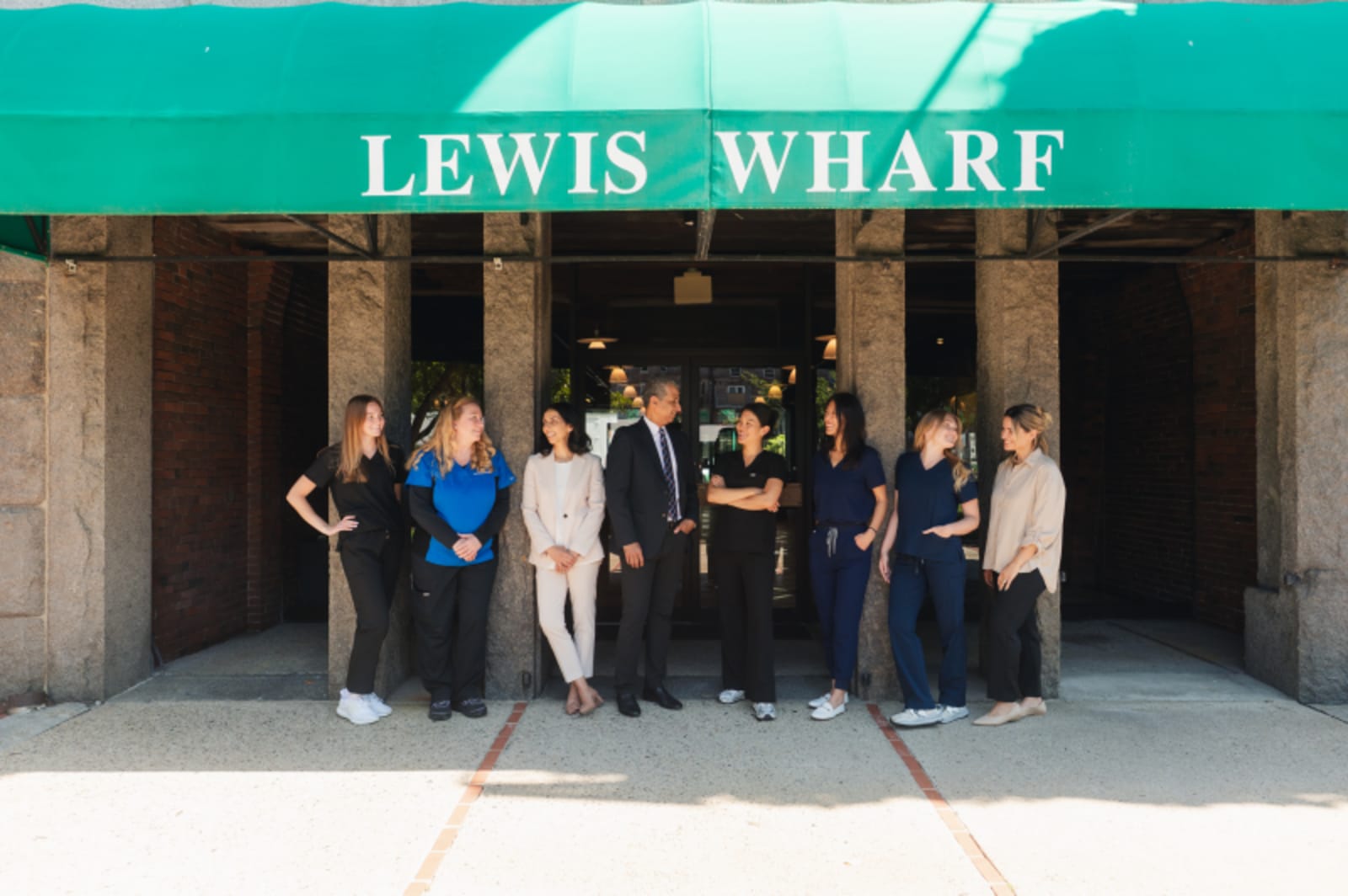
Planning and restoring implants under one roof means nothing gets lost in translation between providers, and the finished result guides the plan from the first appointment. Our diagnostic technology supports that precision: cone beam CT imaging, digital scanning, and microscope-assisted work let us read bone structure, spot potential complications, and plan placement in careful detail.
- Prosthodontic-level training applied to both the planning and the restoration
- Advanced 3D imaging that informs treatment before any procedure begins
- One coordinated team managing your case from evaluation through the final crown
- A consultation built to answer questions, not rush decisions
Dr. Rasool, Dr. Neda, and Dr. Crohin have each been named a Boston Top Dentist since 2019. We're a multi-specialty group on the Boston waterfront, grounded in a commitment to do no harm and to meet you where you are.
Frequently Asked Questions About Dental Implants
What should I ask at my implant consultation?
Come ready to ask about the full timeline, what happens if bone grafting turns out to be needed, how we coordinate the surgical and restorative stages, and what long-term maintenance looks like. The clearer the answers, the more confident you'll feel moving forward.
How do I know if I have enough bone for an implant?
We assess bone volume and density through 3D imaging during your consultation. If there isn't enough height or density at the site, bone grafting may be recommended before placement.
Is it worth choosing a prosthodontist over an oral surgeon for implants?
An oral surgeon focuses on placing the implant surgically. A prosthodontist specializes in restoring and replacing teeth, including the crown that attaches to the implant and how it fits your bite. Some cases involve both roles, and coordinating that care well matters as much as any individual skill. Planning the whole outcome from the start is where prosthodontic training pays off.
How long does the full implant process take?
Most treatments run several months from placement to final crown, largely because the implant needs time to bond with the bone. Cases involving bone grafting take longer. We'll give you a realistic timeline based on your situation.
Does dental insurance cover implants in Massachusetts?
It depends on the plan. Some cover a portion of the restoration; others exclude implants entirely. We accept Blue Cross Blue Shield and Delta Premier, and we'll help you understand what your benefits may contribute before you decide anything.
Ready for a Clear Answer About Your Implant Options?
Implants are a real investment, and you deserve a genuine conversation before you decide. The next step is a thorough consultation: imaging, a full candidacy assessment, and a treatment plan with costs laid out before you commit.
Call Dr. Rasool and our team at (617) 227-4831 to schedule. We're at 237 Lewis Wharf on the Boston waterfront, open Monday through Thursday, 8am to 5pm.